
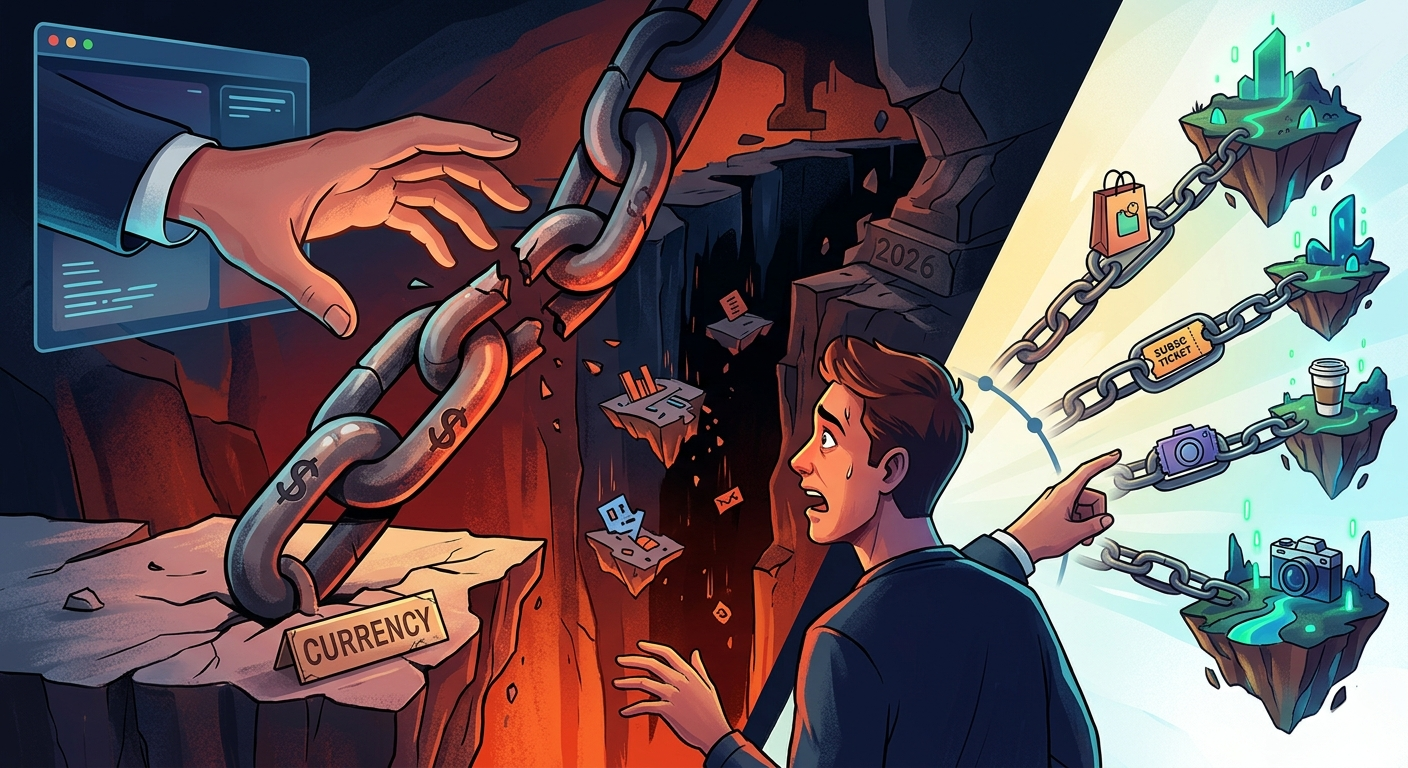
A site with one revenue line is a site where one decision made by someone else can take the whole income. The affiliate program closes, the ad network changes its terms, the ranking moves. None of those are unusual events, and each of them is survivable if something else is already running.
That is the entire case for diversified monetization. The rest is about what to combine and what it costs.
The lines available to a publisher
Ad network revenue. Immediate, predictable, scales with pageviews. Requires no audience trust, which is why it is the right first line for a new site.
Affiliate placements. Higher value per visitor on commercial pages, worth far more than display on those pages specifically, and completely dependent on programs you do not control.
Email. Not a revenue line by itself, but it makes every other line work better and it survives ranking and reach changes.
Direct deals. Higher rates, real sales work. Only sensible with consistent traffic and a defined niche.
Your own products or memberships. Highest margin, highest effort, and only viable once an audience exists.
Most sustainable sites run the first three. The last two are what happens after those are working.
Why the combination is stronger than the parts
The lines fail at different times and for different reasons. Affiliate programs change terms on their own schedule. Ad revenue moves with advertiser demand and the season. Email depends on nothing external at all.
Running two means a bad month in one is a dip rather than a stop. Running one means every external decision is existential.
There is a second benefit that gets overlooked. Comparing revenue per visitor between lines tells you what your audience is actually worth in each state, which tells you which sections of the site deserve more content.
How to combine them without cannibalizing
Split by page rather than mixing on the same page. Informational pages carry ads. Commercial pages carry the affiliate recommendation and little else. Every page carries a route to email.
Mixing them on the same page is the common error, because display units compete for a click worth far less than the affiliate conversion you were trying to protect.
The format side of the ad line matters here too, since some formats sit quietly beside content and some interrupt it. Mondiad’s publisher guide to push ad monetization covers the case for a format whose revenue comes from returning visitors rather than from raw impressions, which changes how it fits alongside affiliate pages.
What diversifying costs
Attention, mainly. Each line needs setup, monitoring and occasional repair. Two lines run well beat four run carelessly, and a publisher working alone hits that limit quickly.
There is also a complexity cost in measurement. Once revenue comes from several places, total revenue stops being a useful number and you have to track per line and per page type instead.
The per page mechanics are covered in why smart publishers combine affiliate marketing with display ads, and the situation for smaller sites specifically is in how niche websites still make money in the AI era.
The order to build in
Ads first, because they earn from day one and need no trust. Email second, because it compounds and everything later depends on it. Affiliate third, once you have commercial pages worth placing recommendations on. Direct deals and your own products last, if ever.
Building them in a different order is possible but usually slower, because each one is easier when the previous is already producing.
FAQ
How many revenue lines should one site have? Two run properly is the realistic target for a solo publisher, with email supporting both. More than that needs either a team or genuine automation.
Does diversifying reduce total revenue? It can slightly, if lines compete on the same page. Split by page type and total revenue usually rises, because each page is monetized by the model that suits it.
What is the fastest line to add? Ad network revenue, since it requires setup rather than audience trust and starts earning immediately.
Which line is the most durable? Email, because it does not depend on a ranking, a feed or a program’s terms. It is also the slowest to build, which is why it gets postponed.