
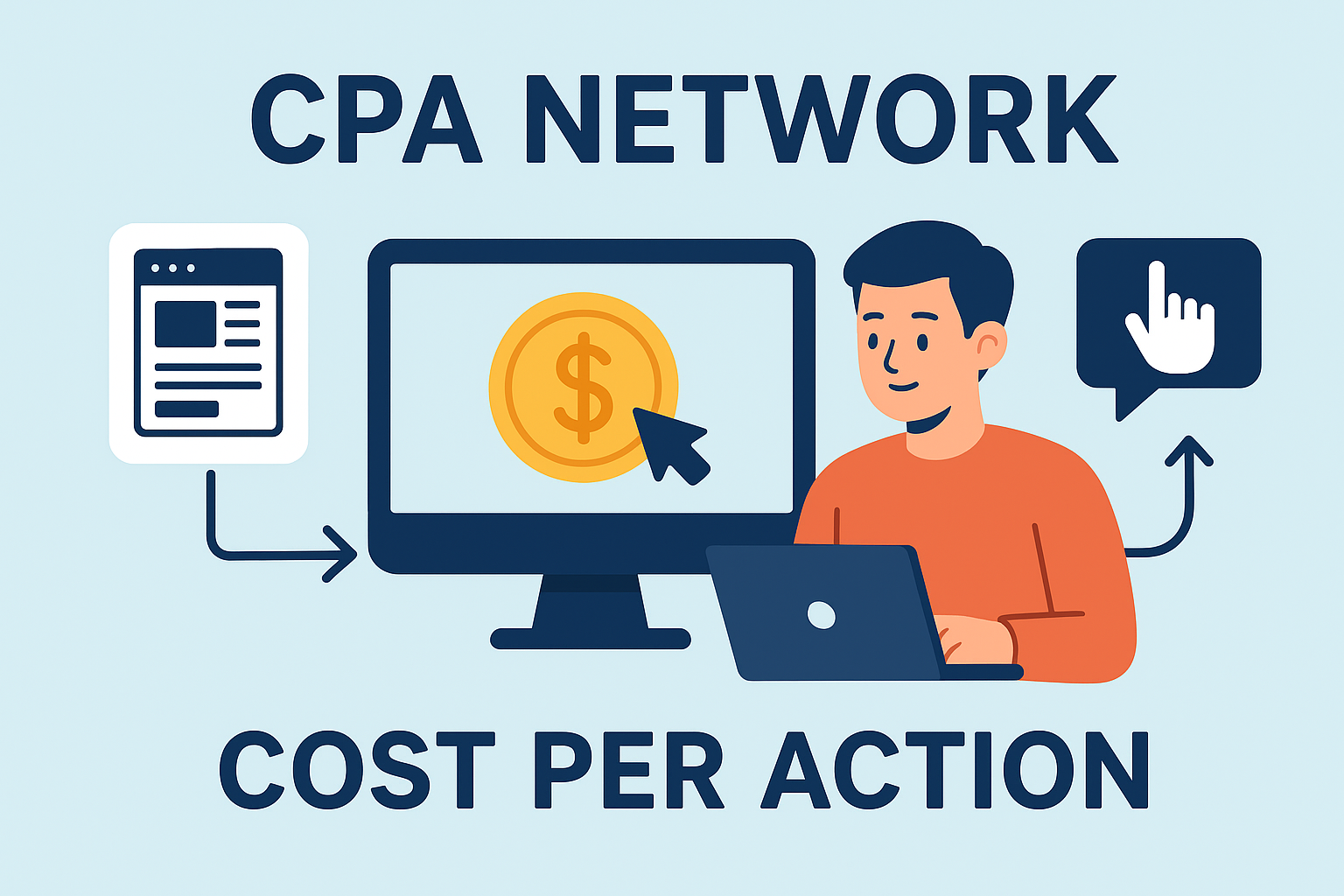
For beginners, it may sound technical, but the idea is simple: a CPA network connects advertisers who want results with affiliates who can deliver those results. The model focuses on performance, making it one of the most reliable ways to scale digital campaigns while keeping budgets under control.
What Is a CPA Network?
CPA stands for Cost Per Action, a performance-based pricing model where advertisers pay only when a user completes a specific action. That action can be a signup, form submission, download, app install, sale, or any other predefined goal. A CPA network acts as the middleman, linking advertisers with affiliates (also known as publishers) and ensuring both sides benefit from the partnership.
Instead of advertisers managing hundreds of affiliates on their own, the network handles tracking, payments, offers, optimization tools, and communication. For affiliates, the network provides access to ready-made offers, creatives, tracking links, and stable payouts.
Why CPA Networks Exist
Advertisers need guaranteed results. Affiliates need trustworthy offers and timely payments. A CPA network bridges these two needs by:
- Vetting affiliates to ensure traffic quality
- Vetting advertisers to avoid scams or unreliable payouts
- Managing the tracking technology
- Handling payments and reporting
- Providing support and optimization tips
This structure reduces risk on all sides and keeps the ecosystem functioning smoothly.
How CPA Networks Work Step-by-Step
Understanding how a CPA network works can help beginners see the full picture of the process:
1. Advertisers Submit Offers
Advertisers approach the network with specific goals. They provide details like:
- The action required (lead, install, sale, etc.)
- Allowed traffic types
- Geolocation targets
- Payout per conversion
- Creatives and promotional guidelines
The network reviews the offer, ensures it complies with industry standards, and makes it available to affiliates.
2. Affiliates Apply to Join the Network
Beginners must first sign up, often providing information about their experience and traffic sources. Many networks manually approve affiliates to prevent fraud. After approval, affiliates gain access to the network dashboard and available offers.
3. Choosing Offers
Affiliates browse the offer marketplace and select campaigns that match their audience or traffic capabilities. They then receive a unique tracking link to promote the offer.
4. Affiliates Drive Traffic
Once they have the link, affiliates begin generating traffic through channels such as:
- Social media
- SEO
- Email marketing
- Paid ads (Google, Facebook, native, push, pop, etc.)
- Influencer campaigns
- Content marketing
The traffic must follow the offer guidelines to stay compliant.
5. Tracking Conversions
This is where CPA networks shine. Using tracking technologies such as:
- Cookies
- Server-to-server (S2S) postback
- Pixel tracking
…the network monitors when users complete the required actions. Each valid action is logged in real time in the affiliate’s dashboard.
6. Verifying Quality
Networks verify that conversions are real and not fraudulent. Common checks include:
- IP analysis
- Duplicate leads
- Bot traffic detection
- Geolocation matching
High-quality affiliates are rewarded with better offers and higher payout rates.
7. Payments to Affiliates
After conversions are validated, affiliates receive payouts based on the network’s payment schedule. Many CPA networks pay:
- Weekly
- Bi-weekly
- Monthly
They typically support payment methods like PayPal, bank transfer, Payoneer, or cryptocurrency.
Benefits of Using a CPA Network
CPA networks offer multiple advantages for beginners:
- Lower risk for advertisers because they only pay for results
- Fair compensation for affiliates who drive real actions
- Access to hundreds of offers in different niches
- Built-in tracking tools to monitor performance
- Fraud prevention systems that protect both sides
Dedicated managers who help optimize campaigns
Popular Types of CPA Offers
Affiliates can choose from a wide variety of offers, including:
- Email submits
- Lead generation offers (insurance, loans, real estate)
- App installs
- Survey offers
- E-commerce trial offers
- Gaming and betting offers
Each offer type has different payout ranges and traffic requirements, giving beginners flexibility in how they start.